notes on the english pointer

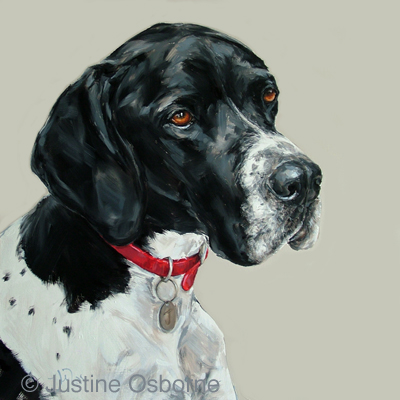
The Pointer, also known as the English Pointer, is powerful, graceful and aristocratic. It carries its head proudly. The pointer has an alert expression and a well-muscled, athletic body. The nose is set higher than the rest of the muzzle. The stop is well-defined. Its upper lip is full but not slack. The eyes are hazel or chestnut depending on the color of the coat. The medium-sized ears are pendant and somewhat pointed. The teeth should form a level or scissors bite. The neck is long. The tail is straight and tapered and is never docked. The feet are oval. Dewclaw removal on the front legs is optional. The short, sleek, shiny coat comes in primarily white, but may be liver, lemon, black or orange, either solid, patched or speckled. Tri-colored is also permitted. The nose should be the same color as the marking on the coat.

The English Pointer is full of energy and go-power. Loyal and devoted he is a true friend. Kind and patient with children, he is a dashing gentleman. The Pointer is affectionate, intelligent and clean. An energetic and enthusiastic hunter, yet calm at home. Wise and adaptable to every situation. Socialize well at an early age to combat a tendency for timidity. Some can be high-strung.  They tend to be a bit willful, distractible and reserved with strangers. It will bark at suspicious noises, but it is not a watchdog. Show lines tend to produce better pets. Field lines are often too active and hunt-oriented to make good pets. Hunting instincts develop early. Puppies, even at eight weeks old, often display pointing behavior. These fairly independent dogs are generally good with other pets and are not usually dog-aggressive.

According to the most credible hypothesis, the Pointer was developed two centuries ago by crossing among the Italian Pointer, the Foxhound, the Bloodhound, the Greyhound, the Newfoundland, the Setter, and the Bulldog. This is an almost unbelievable mix, but it certainly has produced an outstanding result. The modern Pointer has existed for about eighty years. The Pointer is named for the motionless stance the dog assumes once he has found game. The direction of the point tells the hunter where the game is hiding. The first recorded mentions of the Pointer in England date from around 1650, when the Pointer was used to find hare for the Greyhound to hunt. By the early 1700's the Pointer became the dog of choice. The Pointer is renowned for his scenting prowess. He works very quickly, covering a lot of ground. The Pointer is particularly good on upland birds, but adapts well to other game. The breed has excellent endurance in warm weather, but is not suited to very cold conditions. Working best on land he is not very comfortable in water. He has a legendary tracking and pointing skills, but is not usually expected to retrieve game. A competitive dog, the Pointer still dominates Pointing Field Trials over all other pointing breeds. Today, the Pointer is a family hunting dog and companion.

modern dog paintings


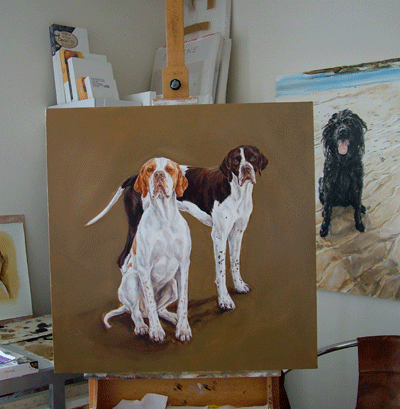
dog painting portrait of two english pointers


"Oscar & Bodie" - portrait of a two English Pointers
30 x 30in - oil painting on gallery style canvas

The handsome and grand Oscar, with his cheeky brother Bodie.


liver english pointer portrait orange english pointer portrait
Bodie, liver and white
Oscar, orange and white


for more paintings and other dog breeds -
visit the dog painting gallery

basset painting dalmatian portrait fox terriers picture westie portrait


home | about | gallery | your dog | sizes & prices | FAQ | links | dog shop | featured dog artist

testimonials
| sitemap | contact us

site designed by paintmydog © justine osborne 2002 - 2007
all dog portraits, pictures and text not to be reproduced without permission from the artist